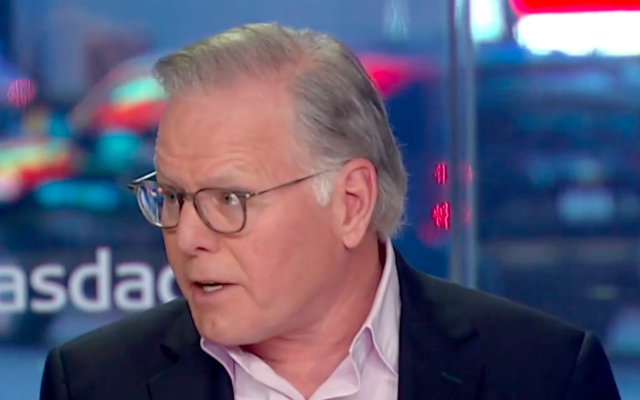
Netflix scooping up Warner Bros. Discovery’s crown jewels as David Zaslav must be eyeing the door feels less like a masterstroke than a forced move, with every media brand breathing down the man’s neck, including Paramount’s Ellison and the rest of the circling vultures. One minute Zaslav is swinging the austerity axe; the next he’s watching the silverware get rented out to the biggest landlord in streaming, smiling tightly while everyone pretends this was Plan A.
Warner’s catalog is thicker than a Sears 1992 wish book and, to the media nostalgic, it’s an ATM built out of franchise religion: Harry Potter, The Dark Knight trilogy, the Hobbit films, Joker, Barbie, the endlessly rebootable Matrix cycle (The Numbers). Any top-ten Warner list on IMDb reads like cinema’s last defiant gasp—exactly the kind of gasp its new landlords quietly dream of suffocating while the monthly recurring revenue keeps breathing (IMDb).
Netflix wants the treasure chest for the same reason casinos comp their saddest regulars: once you’ve wired someone’s nostalgia directly into the machine, you don’t need to inspire them, you just need their debit card. The company already knows the exact contour of your binges; now it wants the libraries you imprinted on when your biggest existential crisis was choosing the right aisle at Blockbuster. Somewhere out there, a very long novel about lethal entertainment cartridges is cackling into its own dust jacket.
Media strategies have been here before. The recent wave of HBO shows drifting onto Netflix’s front page rhymes with an older trick: pile enough recognizable brands into one pipe that “choice” collapses into habit, and let marketing clean up the story later. Prestige drama, franchise IP, and disposable junk all jostle under the same UX, no matter which logo flickers before the cold open.
For Warner Bros. Discovery, this isn’t a clever content experiment; it’s debt management with better lighting. Whole films vanished into tax-write-off purgatory, entire projects were sacrificed at the altar of “synergy,” and the proud HBO Max brand was sanded down into “Max,” a name that sounds less like a network than an energy drink you’d buy at a gas station. Licensing out the jewels keeps the creditors at bay for another season, but every new deal sells a little more of tomorrow to pay for yesterday.
Key takeaways
- Zaslav’s presumed exit doesn’t arrive into a clean handoff; it lands in the middle of a balance sheet still coughing up covenant dust and a creative culture that’s learned, the hard way, how disposable it really is.
- Every fresh licensing pact with Netflix smooths out near-term numbers while quietly narrowing the next CEO’s options. Once you’ve pre-sold the good stuff, there’s less left to pledge when Wall Street demands another miracle.
- The more Warner teaches its own audience to find DC heroes and prestige drama on Netflix, the more it trains that same audience to treat Warner’s future platforms as an afterthought.
What we’re watching
- Who the board chooses as the next ringmaster: a caretaker whose job is to keep the lenders calm, or an operator who can stare down both the franchise spreadsheets and the amortization schedules without flinching.
- How aggressively Netflix moves to make these titles feel “native”—whether the DC logo and that familiar drumroll become mere pre-roll seasoning on what is, functionally, now a Netflix show in everything but birth certificate.
- Whether this hardens into the streaming equivalent of the old cable bundle: one main app bloated with everything from superheroes to prestige rot to trash-TV comfort food, and tiers that look suspiciously like the channel packages everyone thought they were escaping.
In the end it’s not a story about heroes and villains so much as one about a broke landlord pawning the family heirlooms to the richest gambler at the table, while a roomful of analysts nod solemnly and call it “unlocking value.”